Mickalene Thomas:
Mickalene Thomas is a New York based artist that is known for her broad paintings composed with rhinestones, oil, and acrylic. She incorporates a complex vision of what it means to be a woman and the definition of beauty in each of her paintings. Her paintings can include collages along with Swarovski stones of photographs she takes of models. She enhances each painting with a deeper meaning on what women empowerment really means to her. By exploring questions of power, beauty, sexuality, and femininity, she enhances those qualities in each piece. In those sparkling collage paintings, she is reclaiming this image of beauty and interpreting it in her own words. One of her paintings, which she had adapted from Edouard Manet’s painting titled Le Dejeuner sur L’herbe, shows a bold image of three black women along with vibrant colors. The women are comfortable in their own space and defy men who view them as objects, as in the original painting.
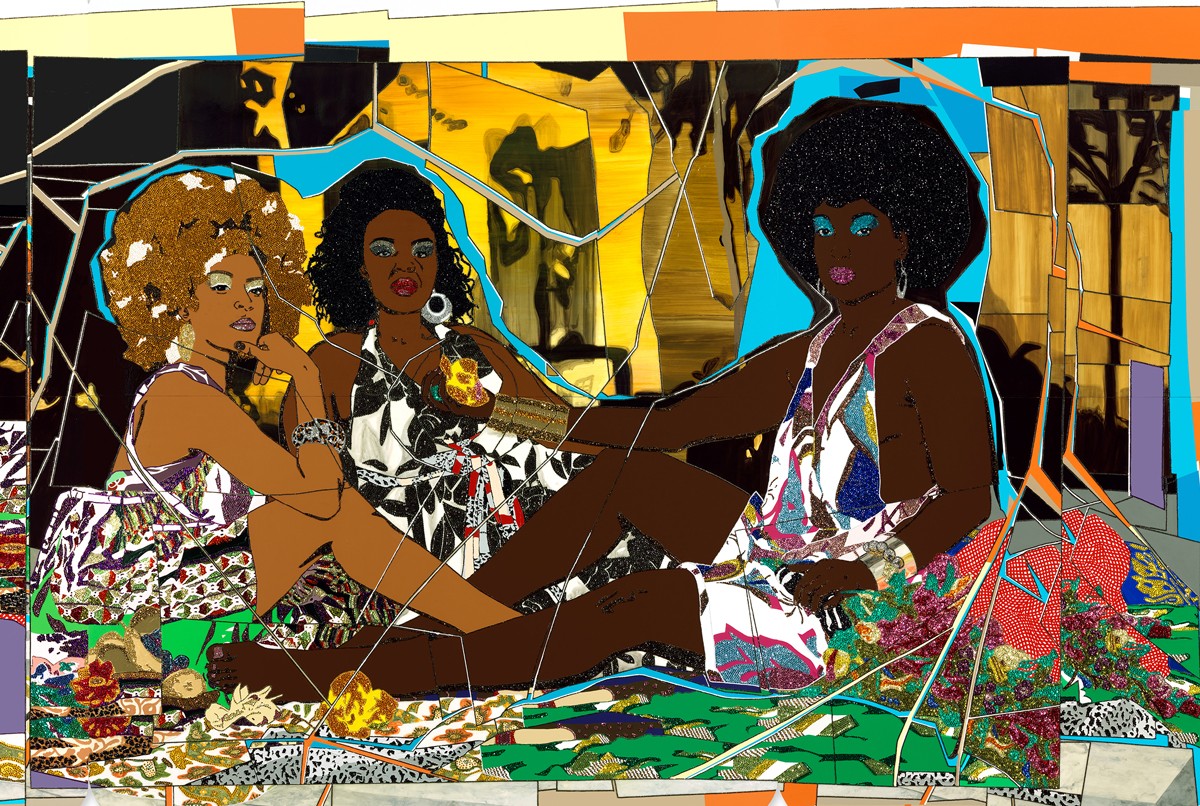 |
| Mickalene Thomas, Le Dejeuner sur l’herbe: Les trois femmes noires, 2010 |
Ruth Asawa:
Olivia Kim was born in 1926 in California. Her parents were immigrants from Japan. From a young age she was passionate about art and the freedom to express herself through her artwork. Her pieces were executed through ceramic sculpture, bronze, and wire and steel sculptures. Ruth had endured many struggles growing up as a first generation in the 1920s. She was always a feminist activist and most of her career was affected by racism because of World War II. Her and her family were sent to camps when she was only 16 years. Even after the war, discrimination and racism didn’t end for them. She had studied to become a teacher and couldn’t find a job because she was Japanese American. After a couple of years, things got better, and she started to experiment with wire sculptures. Each piece held a significant meaning in depicting how she had felt from her childhood years. The tight forms from the wires portrayed the struggles her and her family went through.
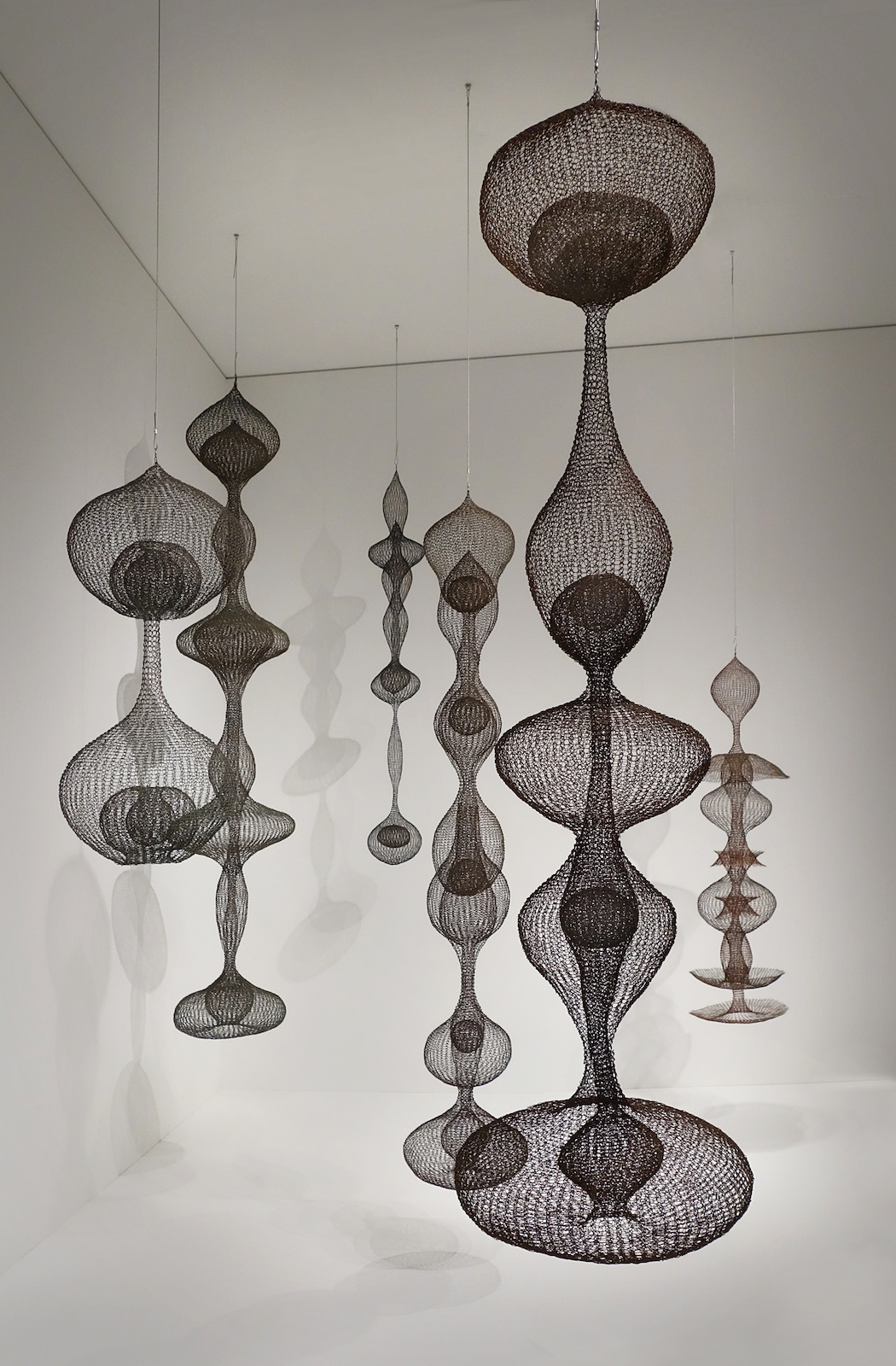 |
| Ruth Asawa, installation view of Ruth Asawa: Life's Work, 2018-19 |
Elizabeth Catlett:
Elizabeth Catlett was an African American artist with Mexican nationality who talked about feminism and racism through paintings, sculptures, and prints. It was significant through her art of the struggles that African Americans had endured from segregation to the fight for civil rights. In her early adult years, she had traveled to Mexico to learn mural painting influenced by Frida Kahlo. The spirit of freedom and activism that derived from the muralists inspired Elizabeth to create pieces of hardship and struggle. Stories that were told from her grandmother about slavery and abuse were experiences that Elizabeth felt she needed to share in order to bring women empowerment. Her work was specifically entitled to helping others feel better of themselves and to stand up for African American lives.
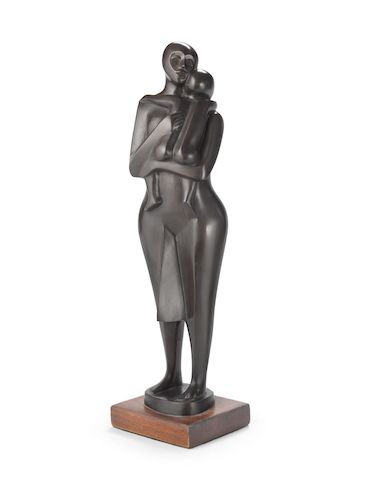 |
| Elizabeth Catlett, Standing Mother and Child, 1993 |
Ambreen Butt:
Ambreen Butt is a Pakistani American artist known for her collages, paintings, and prints. Her paintings are inspired by miniature Persian paintings and intricate details. She expresses gender roles, feminism, and inequalities through her pieces. She believes the “real world” contains ugliness. She says whenever she sees oppression or injustice, it tends to show up in her work. To exemplify these social issues, she blends imagery from newspaper and depictions from history onto a canvas. One particular matter that struck out to her the most was when in art a woman was always depicted as a center of desire and pleasure. The male icons were represented to be a figure that empowered the women. This notion of women becoming an object really bothered Ambreen. She paints to express her anger towards gender inequality and the oppression that women outside and inside her culture have encountered.
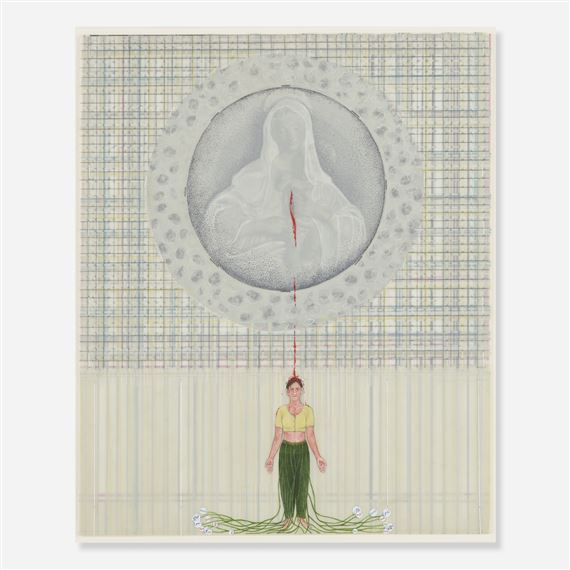 |
Ambreen Butt, Untitled (from the farewell series), 2001
|
Cindy Sherman:
Cindy Sherman is contemporary artist/photographer who utilizes her self-portraits to critique gender and identity. Cindy examines femininity as a social construct. She makes her images seem seductive and desirable from afar, but up close they hold a different meaning. She likes to explore women as the subject matter of an art piece. Throughout her career, she has expressed feminism and how the media portrays the objectification of women. Some of her pieces openly express the male gaze. She states that the concept of a gaze lies in how she poses for the photo in her work. Feminine struggle is a topic that she tries to incorporate in all of her pieces. Cindy has always had a passion for the female beauty and wants to expand her ideas through her expressions.
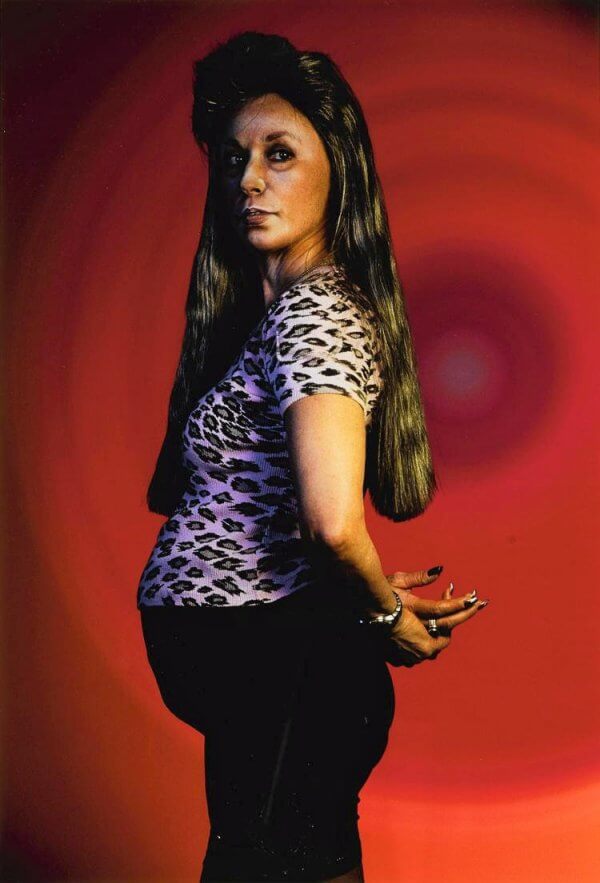 |
| Cindy Sherman, Pregnant Woman, 2002 |
In conclusion, all five of these women have similar themes in gender inequality, feminism, and racism. They are powerful women, who show us through their artwork and their beliefs, that we are capable of achieving anything we want as long as we put our hearts into it. We are capable of defying these social issues by believing in ourselves and our strength.
Citation:
“Ambreen Butt.” The American Scholar, 25 Feb. 2019, https://theamericanscholar.org/ambreen-butt/#.XqEhKS3MwfE
Owen, Samantha Rosemary, "Gender and Vision Through the Lens of Cindy Sherman and the Pictures Generation" (2014). UVM Honors College Senior Theses. 28.
https://scholarworks.uvm.edu/hcoltheses/28

No comments:
Post a Comment